Ketamine Treatment for First Responders with Depression and PTSD
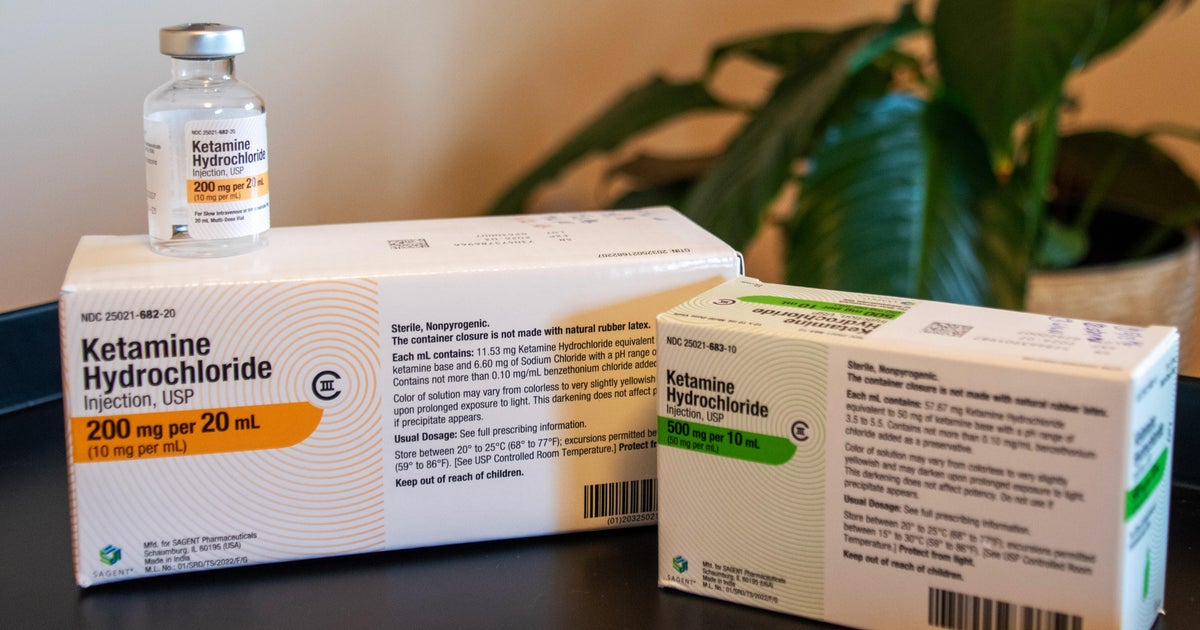
Ketamine, a medication traditionally used as an anesthetic, is being researched as a potential treatment for **severe depression** and **PTSD** in **first respo
Summary
Ketamine, a medication traditionally used as an anesthetic, is being researched as a potential treatment for **severe depression** and **PTSD** in **first responders**. When combined with **psychotherapy**, ketamine has shown promise in reducing symptoms of depression and PTSD. However, the treatment remains largely **unregulated**, posing challenges for widespread adoption. [[ketamine|Ketamine]] has been used in various medical settings, including as an anesthetic and pain reliever. [[ptsd|PTSD]] and [[depression|depression]] are common mental health issues affecting **first responders**, who often experience traumatic events on the job. The use of ketamine in treating mental health conditions is not without controversy, with some experts raising concerns about its potential for **abuse** and **side effects**. Despite these challenges, researchers and medical professionals are exploring the potential benefits of ketamine in treating mental health conditions, including its potential to rapidly reduce symptoms of depression and PTSD. [[mental-health|Mental health]] professionals are working to develop **effective treatment plans** that incorporate ketamine and other therapies to support **first responders** and others struggling with mental health issues.
Key Takeaways
- Ketamine is being researched as a potential treatment for severe depression and PTSD in first responders
- Ketamine has shown promise in reducing symptoms of depression and PTSD when combined with psychotherapy
- The treatment remains largely unregulated, posing challenges for widespread adoption
- Concerns about abuse and side effects have been raised, highlighting the need for careful consideration and monitoring
- Mental health awareness and support are essential for individuals struggling with severe depression and PTSD
Balanced Perspective
The use of ketamine in treating **severe depression** and **PTSD** in **first responders** is a complex issue, with both potential benefits and risks. While some studies have shown that ketamine can be effective in reducing symptoms of depression and PTSD, others have raised concerns about its potential for **abuse** and **side effects**. [[medical-research|Medical research]] is ongoing to fully understand the effects of ketamine and to develop **safe and effective treatment plans**. As with any medical treatment, it is essential to carefully weigh the potential benefits and risks of ketamine therapy and to closely monitor patients who are undergoing this treatment.
Optimistic View
The use of ketamine in treating **severe depression** and **PTSD** in **first responders** offers a promising new approach to addressing these conditions. By combining ketamine with **psychotherapy**, medical professionals may be able to provide more effective treatment options for individuals struggling with these conditions. [[ketamine-therapy|Ketamine therapy]] has the potential to rapidly reduce symptoms of depression and PTSD, improving the quality of life for **first responders** and others affected by these conditions. As research continues to uncover the benefits and risks of ketamine treatment, it is likely that this approach will become more widely accepted and adopted.
Critical View
The use of ketamine in treating **severe depression** and **PTSD** in **first responders** is a concerning trend, given the potential risks and side effects associated with this medication. [[ketamine-abuse|Ketamine abuse]] is a significant concern, and the lack of regulation surrounding ketamine treatment poses challenges for ensuring patient safety. Additionally, the use of ketamine as a treatment for mental health conditions may divert attention and resources away from more established and effective therapies, such as **cognitive-behavioral therapy** and **medication management**.
Source
Originally reported by CBS News