Ketamine's Rapid Antidepressant Effects Revealed Through Brain Scans
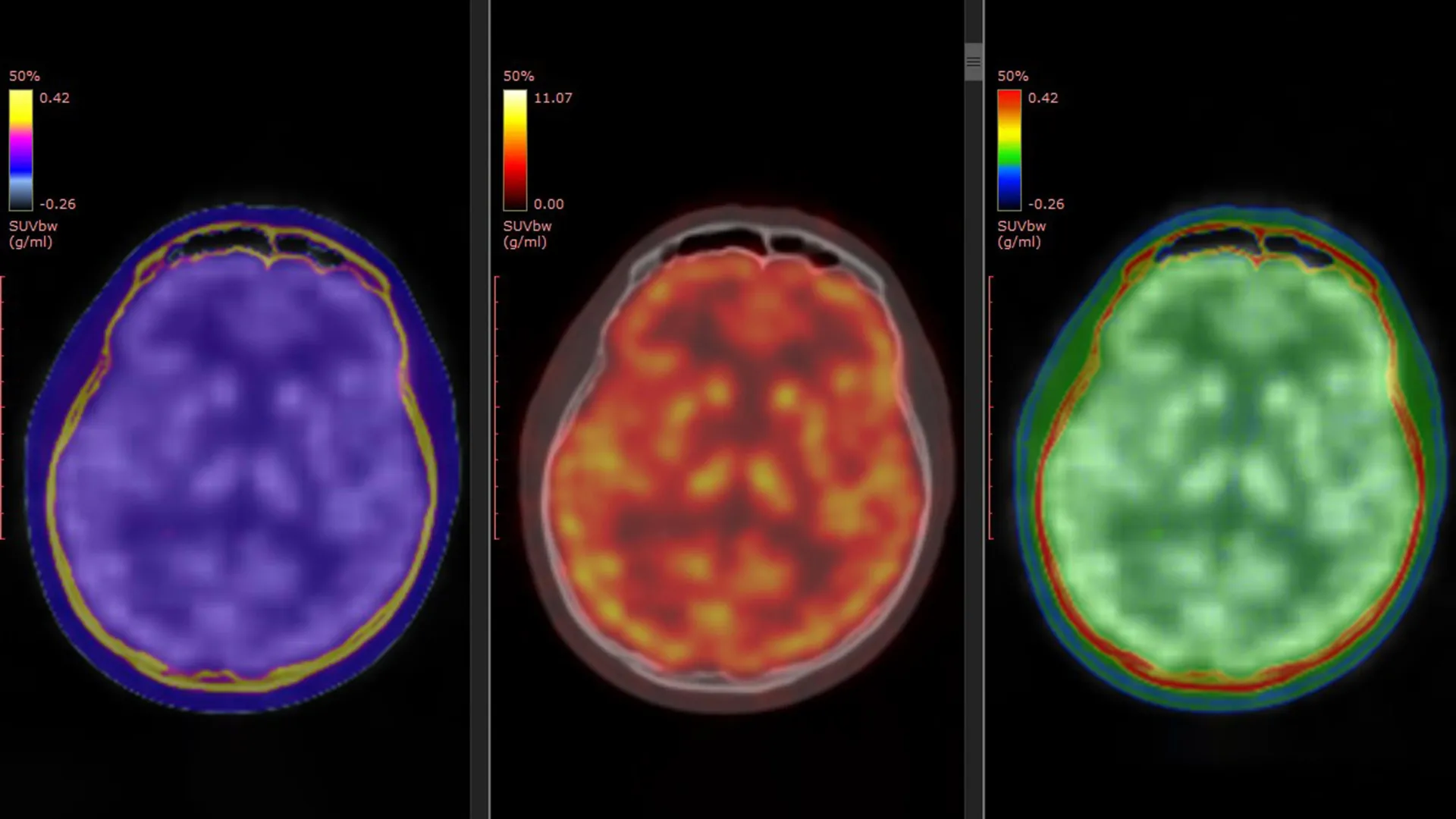
A recent study published in **Molecular Psychiatry** has made a significant breakthrough in understanding how **ketamine** works to rapidly alleviate symptoms o
Summary
A recent study published in **Molecular Psychiatry** has made a significant breakthrough in understanding how **ketamine** works to rapidly alleviate symptoms of **treatment-resistant depression (TRD)**. Using advanced **positron emission tomography (PET)** imaging, researchers led by **Professor Takuya Takahashi** of **Yokohama City University Graduate School of Medicine** in Japan have identified the key role of **glutamate α-amino-3-hydroxy-5-methyl-4-isoxazole propionic acid receptor (AMPAR)** in mediating ketamine's antidepressant effects. The study found that ketamine produces dynamic, region-specific changes in AMPAR levels, which are strongly connected to improvements in depressive symptoms. This discovery has significant implications for the development of more effective and personalized treatments for TRD. [[ketamine|Ketamine]] has been shown to have rapid antidepressant effects in patients with TRD, but its molecular mechanism has remained unclear until now. The study's findings provide direct human evidence that supports mechanisms previously identified in animal studies and connects them to real clinical antidepressant effects. [[treatment-resistant-depression|Treatment-resistant depression]] is a major global health problem, affecting approximately **30%** of people diagnosed with depression. [[positron-emission-tomography|PET imaging]] has emerged as a valuable tool in understanding the neural mechanisms underlying ketamine's antidepressant effects.
Key Takeaways
- Ketamine has been shown to have rapid antidepressant effects in patients with treatment-resistant depression
- The study used advanced positron emission tomography (PET) imaging to visualize changes in glutamate α-amino-3-hydroxy-5-methyl-4-isoxazole propionic acid receptor (AMPAR) levels
- The study found that ketamine produces dynamic, region-specific changes in AMPAR levels, which are strongly connected to improvements in depressive symptoms
- The use of PET imaging to visualize changes in AMPAR levels could potentially serve as a biomarker to predict treatment response
- Further research is needed to fully understand the molecular mechanisms underlying ketamine's antidepressant effects
Balanced Perspective
The study's findings provide new insights into the molecular mechanisms underlying ketamine's antidepressant effects, but more research is needed to fully understand its effects. The identification of **AMPAR** as a key player in ketamine's antidepressant effects is a significant finding, but it is unclear how this translates to clinical practice. Additionally, the use of **PET imaging** to visualize changes in AMPAR levels is a promising approach, but it is unclear whether this will be widely adopted in clinical practice. **Ketamine** is a complex drug with multiple mechanisms of action, and further research is needed to fully understand its effects. [[clinical-trials|Clinical trials]] are ongoing to investigate the safety and efficacy of ketamine as a treatment for TRD.
Optimistic View
The study's findings are a significant breakthrough in the understanding of ketamine's antidepressant effects and have the potential to revolutionize the treatment of TRD. The identification of **AMPAR** as a key player in ketamine's antidepressant effects provides a potential target for the development of new treatments. Additionally, the use of **PET imaging** to visualize changes in AMPAR levels could potentially serve as a biomarker to predict treatment response. This could help doctors identify which patients are most likely to benefit from ketamine treatment, allowing for more personalized and effective treatment plans. **Ketamine** has been shown to have rapid antidepressant effects in patients with TRD, and this study provides new insights into its molecular mechanisms. [[ketamine-therapy|Ketamine therapy]] is a promising area of research, and this study highlights its potential as a treatment for TRD.
Critical View
The study's findings are limited by the small sample size and the lack of long-term follow-up. The identification of **AMPAR** as a key player in ketamine's antidepressant effects is intriguing, but it is unclear whether this will translate to clinical practice. Additionally, the use of **PET imaging** to visualize changes in AMPAR levels is a promising approach, but it is unclear whether this will be widely adopted in clinical practice. **Ketamine** is a complex drug with multiple mechanisms of action, and further research is needed to fully understand its effects. The study's findings highlight the need for further research into the molecular mechanisms underlying ketamine's antidepressant effects, but it is unclear whether this will lead to significant improvements in clinical practice. [[ketamine-side-effects|Ketamine side effects]] are a concern, and further research is needed to fully understand its risks and benefits.
Source
Originally reported by ScienceDaily