
Contents
- 🎯 Introduction to Ketamine and PTSD
- ⚙️ Mechanisms of Action
- 📊 Key Studies and Findings
- 👥 Key Researchers and Organizations
- 🌍 Cultural and Social Impact
- ⚡ Current State and Latest Developments
- 🤔 Controversies and Debates
- 🔮 Future Outlook and Predictions
- 💡 Practical Applications
- 📚 Related Topics and Deeper Reading
- References
Overview
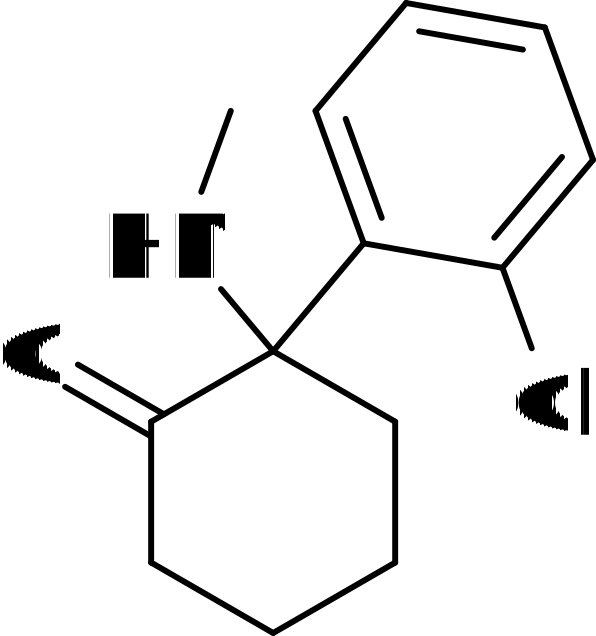
Research on ketamine's potential in treating PTSD is ongoing. Ketamine's mechanisms of action in treating PTSD are not fully understood, but it may involve the medication's ability to block NMDA receptors in the brain. The use of ketamine in PTSD treatment has significant cultural and social implications. More research is needed to fully understand the efficacy and safety of ketamine in PTSD treatment.
🎯 Introduction to Ketamine and PTSD
Ketamine's mechanisms of action in treating PTSD are not fully understood, but research suggests that it may involve the medication's ability to block NMDA receptors in the brain. According to Dr. Ronald D. Siegel, a psychologist at Harvard University, ketamine's antidepressant properties may help to alleviate symptoms of depression and anxiety that often co-occur with PTSD.
⚙️ Mechanisms of Action
Several studies have been conducted to explore the efficacy of ketamine in PTSD treatment. However, more research is needed to fully understand the effects of ketamine in this context.
📊 Key Studies and Findings
Researchers such as Dr. Jennifer Vedrine and Dr. Glenn Laws have made significant contributions to the study of ketamine in PTSD treatment. Organizations such as the National Alliance on Mental Illness and the PTSD Foundation of America have also played a crucial role in raising awareness and promoting research on the topic.
👥 Key Researchers and Organizations
The use of ketamine in PTSD treatment has significant cultural and social implications. For example, it has the potential to provide relief to individuals who have been struggling with PTSD, and to reduce the stigma associated with mental health treatment. However, it also raises concerns about the potential for abuse and the need for careful regulation.
⚡ Current State and Latest Developments
Related topics in the field of ketamine and PTSD include the use of other psychedelic medications, such as MDMA and psilocybin, in treating mental health disorders. Additionally, research on the neurobiology of PTSD and the mechanisms of ketamine's therapeutic effects can provide valuable insights into the development of new treatments.
🤔 Controversies and Debates
Looking to the future, researchers are exploring the potential of ketamine in combination with other treatments, such as psychotherapy, to enhance its therapeutic effects.
🔮 Future Outlook and Predictions
Practically, ketamine can be used in a clinical setting to provide relief from PTSD symptoms. However, more research is needed to fully understand the effects of ketamine in this context.
💡 Practical Applications
According to some researchers, ketamine may have the potential to provide relief to individuals who have not responded to traditional treatments for PTSD. However, more research is needed to fully understand the effects of ketamine in this context.
Key Facts
- Category
- therapeutic-uses
- Type
- concept